
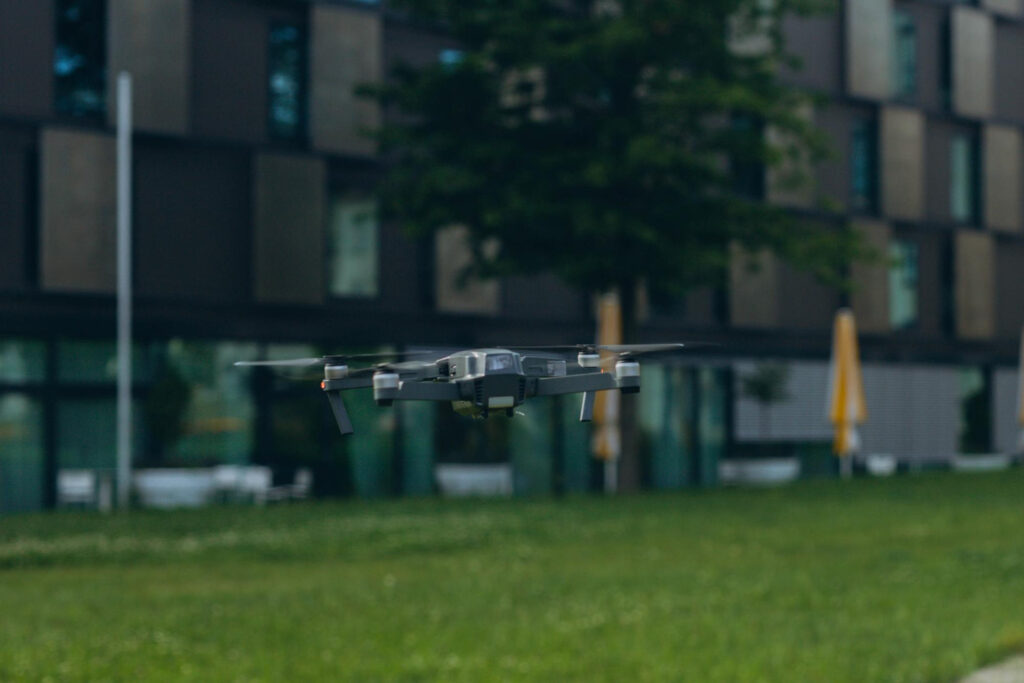
Condominium boards have a big job: keeping the property attractive, protecting exterior materials, and reducing risk without creating unnecessary headaches for residents. Tall façades, breezeways, balconies, roofs, and architectural details can make exterior cleaning difficult when conventional work requires lifts, scaffolding, or suspended equipment.
We see drone cleaning for condominiums as a modern option for addressing many hard-to-reach areas with less dependence on large access equipment. It is not the right approach for every surface or condition, but a qualified professional can help you decide where drone-powered cleaning fits into your property maintenance plan.
How Drone Cleaning Can Reduce Access Risks
Traditional exterior cleaning can place workers near elevated edges while also bringing boom lifts, equipment, and temporary work areas into parking lots, sidewalks, and shared spaces. For an occupied condominium community, that can mean more congestion around residents, visitors, vehicles, and amenities.
Drone-supported cleaning can reduce the amount of access equipment needed for suitable exterior surfaces. Our remote cleaning methods allow us to reach upper exterior walls, façades, and other difficult areas while technicians remain positioned at ground level. This can help limit certain height-related risks and reduce the footprint of equipment around the property.
Safe work still requires thoughtful planning. Before work begins, we establish controlled work zones and consider the movement of residents, vehicles, pedestrians, and nearby activity. A proper plan should account for:
- Walkways, entrances, parking areas, and common spaces
- Balconies, windows, landscaping, and exterior finishes
- Parked vehicles and areas where residents gather
- Water flow, runoff paths, and protection for surrounding surfaces
Not every area is a fit for drone cleaning. Surface damage, loose materials, repair needs, tight access points, or restricted areas may require another method. We believe a cleaning plan should match the building’s condition, not force the building into one approach.
Planning a Safe and Compliant Project
A detailed site assessment should come before any cleaning work is approved. During that review, we look at building height, façade materials, visible staining, organic growth, water access, drainage, nearby structures, high-traffic spaces, and possible obstacles. These details help us create a practical plan for the property rather than relying on a broad assumption.
Boards should also verify that the drone operator has the proper FAA qualifications for commercial operations. FAA requirements can include Remote Pilot credentials, airspace awareness, visual line-of-sight rules, and operational limits that apply to the job site. Commercial drone operations should be conducted by remote pilots with the applicable FAA Remote Pilot certification and a clear understanding of job-site operating requirements.
Your contractor should provide a project-specific safety plan that explains how the work area will be managed. That plan may address exclusion zones, visual observers when needed, emergency procedures, operational boundaries, and how residents will be kept separate from active cleaning areas.
Communication matters just as much as equipment. Residents deserve advance notice about the work schedule, affected areas, parking considerations, amenity impacts, and any steps they may need to take before cleaning begins. Clear notices can reduce confusion and help the project move forward with fewer interruptions.
Preexisting conditions should also be documented before the work starts. Photos of visible stains, cracks, damaged finishes, or other concerns can help the board maintain useful maintenance records. When appropriate, before-and-after images can show what was cleaned and bring attention to exterior issues that may need follow-up from another qualified building professional.
Evaluating Scope and Long-Term Maintenance Value
A useful exterior cleaning proposal should be built around a clear scope of work. Broad descriptions can leave too much room for confusion, especially at properties with multiple buildings, mixed materials, balconies, roofs, and detailed architectural features.
When we review a condominium property, the scope may depend on the total cleanable surface area, building height, level of buildup, water availability, surface materials, and the protections needed around the work zone. Boards can compare proposals more fairly when every vendor identifies exactly what is included.
Ask for clear information about:
- The areas and surfaces planned for cleaning
- The cleaning method and solutions proposed
- Protection for glass, stucco, painted surfaces, coatings, and landscaping
- Resident coordination, site preparation, and cleanup responsibilities
- Insurance coverage and project documentation after completion
The lowest estimate does not always represent the same level of planning, safety controls, surface protection, or documentation. We recommend comparing each proposal line by line so your board can understand the full scope before approving work.
Routine cleaning can support long-term property care by removing dirt, salt residue, organic growth, and other buildup that affects appearance over time. Cleaning does not replace repairs, waterproofing, painting, inspections, or restoration work. Still, a clean exterior can make visible concerns easier to spot, giving your board a better view of areas that may need professional attention.
Choosing the Right Drone Cleaning Partner
Before hiring a contractor, request documentation that supports safe, professional work on an occupied multifamily property. The provider should be prepared to share proof of FAA Remote Pilot qualifications, general liability coverage, workers’ compensation coverage when applicable, drone-specific insurance, business licensing, and a certificate of insurance naming the association or property manager when required.
Experience with condominium communities also matters. We understand that residents live, park, walk, relax, and use shared amenities near the same areas being cleaned. That means work-zone controls, solution selection, runoff management, and communication with onsite management all deserve careful attention.
At Altura Drone Services, drone-powered exterior cleaning methods can help address difficult exterior cleaning needs without relying on scaffolding or lifts for many suitable applications. Boards should verify the qualifications, insurance, and relevant experience of any contractor before approving work.
Moving Toward a Safer Exterior Cleaning Plan
A smart starting point is an exterior condition review that identifies buildup, hard-to-reach areas, visible maintenance concerns, and locations where conventional access creates challenges. From there, your board can gather detailed scopes, review safety plans, and verify that each contractor has the qualifications and insurance appropriate for the property.
The right drone cleaning plan can support cleaner exteriors, smoother resident coordination, reduced access challenges, and stronger maintenance records. Careful planning helps your board protect the property while making thoughtful decisions about where drone cleaning is appropriate and where another professional service may be needed.
Get a Clearer Exterior Cleaning Plan
Altura Drone Services can help your board assess whether drone cleaning for condominiums fits your property’s exterior maintenance needs. Our team can discuss the building surfaces, access conditions, and project goals that shape a practical service approach. When you are ready to discuss your property, contact us for more information.